My first Outdoor Art Shows at Windsor Place in San Francisco 1966 and collaborating with Wes Wilson
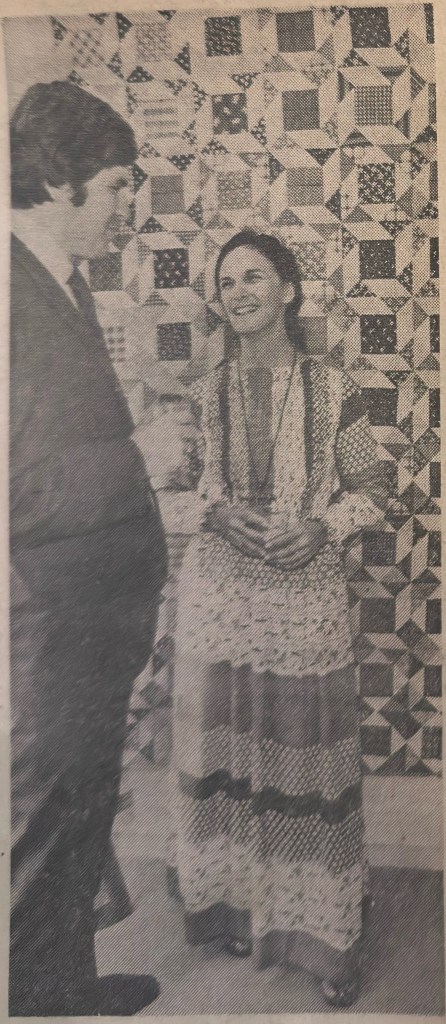
I moved to San Francisco in the summer of 1965 having recently graduated from Kent State with a degree in fine art. I was working as a fashion illustrator and commercial artist for print advertising and living in a little cottage at the end of Windsor Place alley on Telegraph Hill. The scene was vibrant in San Francisco in the sixties, and young creative people seemed to be everywhere. I felt the need to bring people and art together and help artists like myself find their way to making a living with art. Starting in late 1965 I put together monthly group art shows in the alleyway where I lived in a little cottage at the end. I would see someone on the street carrying a big black art portfolio, which was fairly common, and go up to them and ask to see their work. If I liked it I would invite them to be in my monthly show. On the first Sunday of the month artists from around the city that I had met, gathered at Windsor Place to display and sell their work on the walls of the adjacent buildings. Members of The Jefferson Airplane (I knew the guitarist Paul Kantner at the time) and the Grateful Dead brought instruments and played music while potential buyers found their way to enjoy the atmosphere and creativity and maybe buy a piece of art. Through my commercial work network I invited professionals from the world of architecture and design to these shows, and many became future clients and collaborators in what became my art consulting business Susan Rush Associates, later Susan Rush Fine Arts.


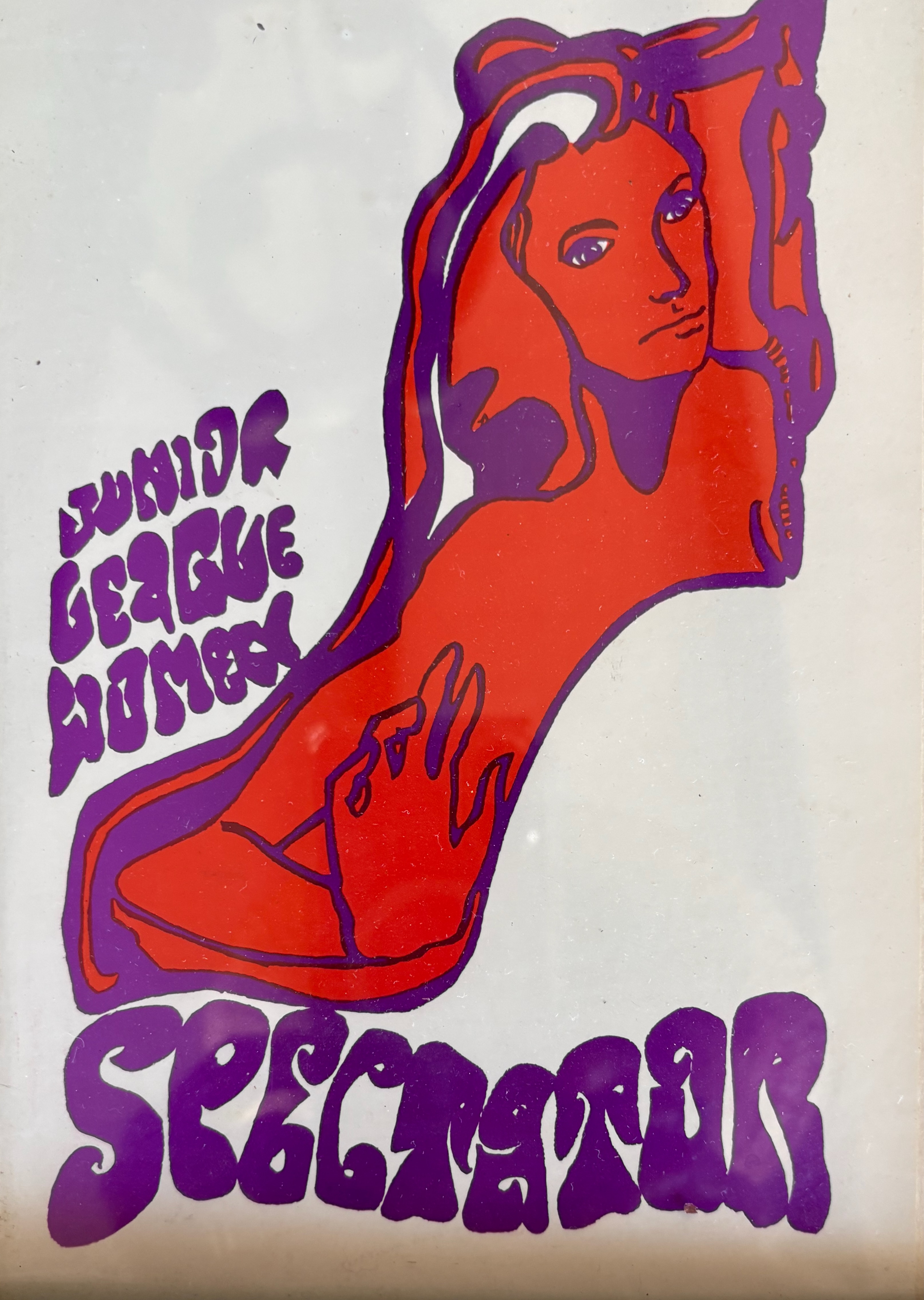
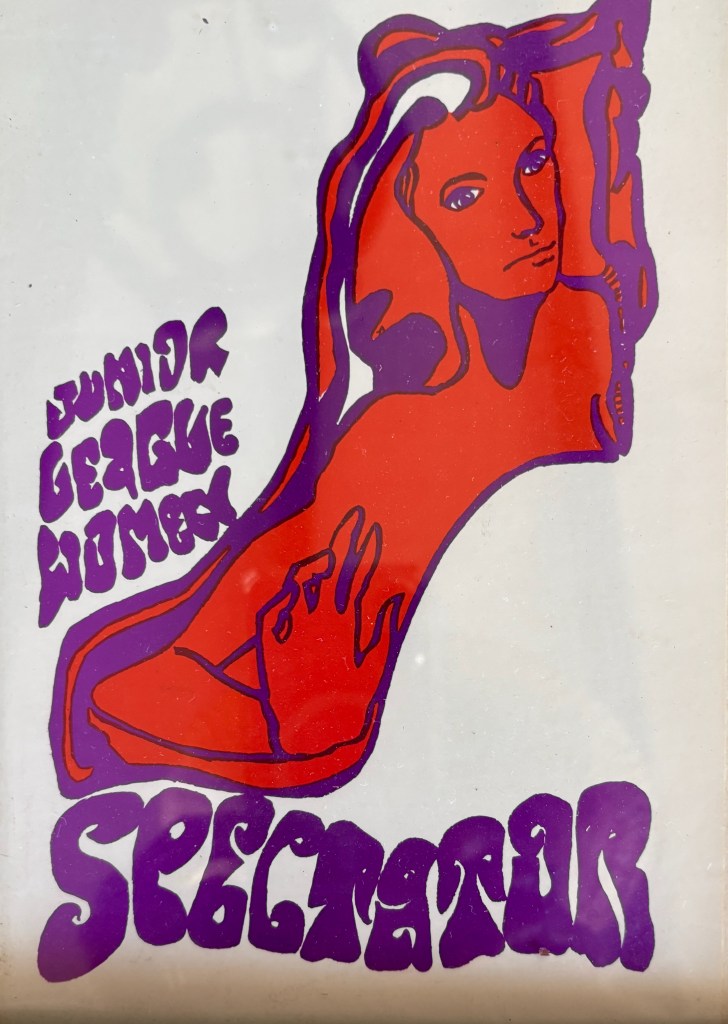
I met Wes Wilson in 1966 when he was creating posters for music performances at the Fillmore Auditorium and Avalon Ballroom. I had been working with many of the San Francisco print shops for the advertising work I was doing and had heard about Wes as a brilliant new artist and designer. At the time I was a member of the Junior League, an organization for up and coming young women. I was helping with a small publication that the San Francisco chapter of the Junior League was publishing and asked Wes Wilson if he would design the cover. I didn’t think he would agree as he was very busy and in high demand, but he agreed to work on it! The Junior League in many ways was representative of the culture that was being countered at this time in San Francisco. Many of us were simultaneously working in the straight world and putting on our hippy dresses on the weekends and soaking up the culture that was emerging around music and art and embracing the new positive values of collectivism social progress. I remember activist Gloria Steinem expressing the importance of the “We” over the “I”.
We would gather around City Lights bookstore on Broadway where the poet Lawrence Ferlinghetti gave readings. We’d hang out at La Tosca where they played opera music and the dancer Mikhail Baryshnikov was a regular or Vesuvio cafe discussing philosophy and art. Vesuvio had good coffee and the best Zabaglioni dessert! I remember being with this group of artists, writers and poets when the first Trips Festival at the Longshoremen’s Hall was happening and Wes had created the handbill for it. This was before I worked with Wes and may have been the first time I met him. I was always interested in the art and the Trips Festival promised to present “a new medium of communication and entertainment” an entirely new kind of art! It was a unique time in a uniquely beautiful city of seven hills where anything seemed possible in the Dionysian atmosphere of 1960’s San Francisco.

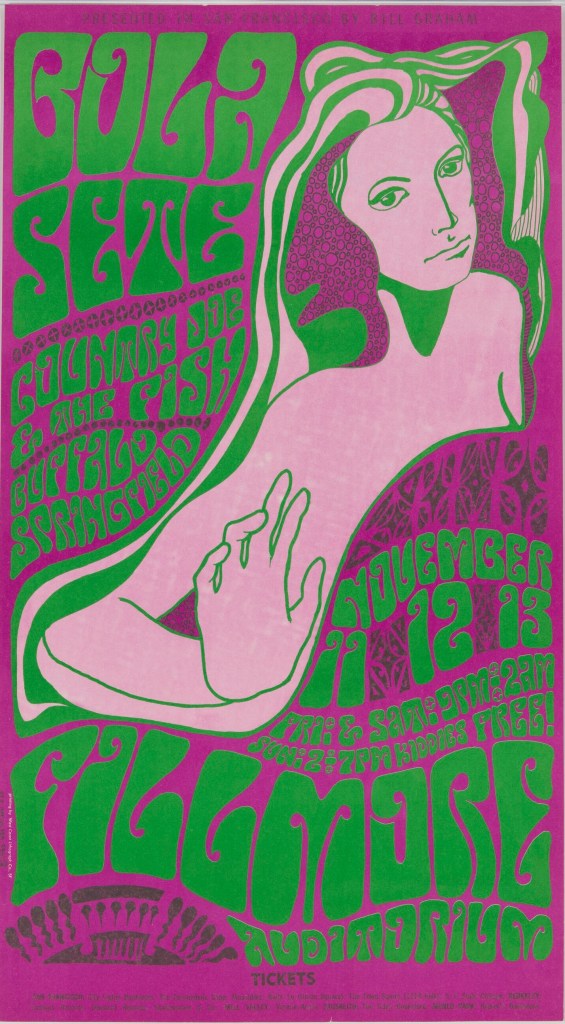
Wes used a plate of a female figure for the main graphic of the cover we worked on that occurs in a poster that he created later that year for a Bola Sete show in November at the Fillmore. I don’t remember many of the details of working with Wes, but I do remember meeting him one day at the Fillmore in the summer of 1966 while a group were preparing printed materials for a Fillmore show and he gave me an unfinished hand colored poster for the Grateful Dead “The Quick and the Dead” at the Avalon Ballroom. I remember him telling me that the number at the bottom of the poster was his phone number to contact him for future work.

It was a short lived scene and most of us went back to the real world at the end of the sixties. I went on to start my art business and married the filmmaker and songwriter Paul Edward Rush at the end of 1967. We moved to the East Bay and I had my first child Christopher in 1968.
Susan Bucheit Rush, September 2026